Save this reminder for a day you need it. Image created with AI.
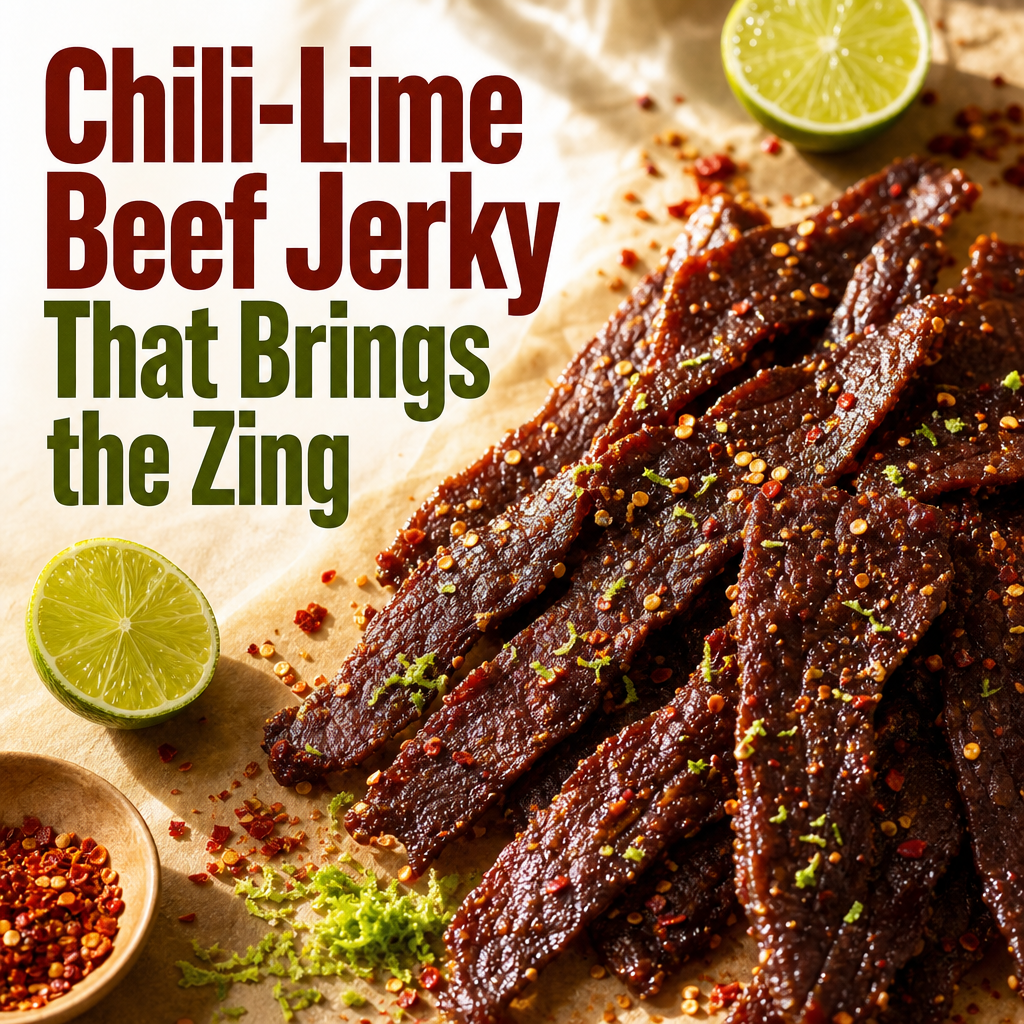
Chili-Lime Beef Jerky That Brings the Zing
Think back to your first taste of great beef jerky—maybe it was smoky, maybe sweet, maybe with just enough chew to make the flavor linger. For home cooks, the magic of jerky is in experimenting with new ideas until you land on that head-turning batch. Chili-lime jerky is classic for good reason: it balances heat and brightness, each bite waking up your taste buds. But here’s a twist many miss: the difference between good and glorious isn’t more spice or juice, but the unexpected pop that comes from adding lime zest right into the marinade.
It’s a tiny step—zesting a lime takes seconds—but it adds an essential hit of aromatic citrus that juice alone can’t capture. When those essential oils meet savory chili and tender beef, the result is sunny, tangy, and bold. Your kitchen smells a little more alive, and the jerky? Just wait until you try your first bite.
Ingredients: What You’ll Need
1.5–2 lbs lean beef (eye of round, top round, or bottom round—well trimmed)
¼ cup fresh lime juice (about 2 limes)
Zest of 1 lime (finely grated)
1–2 tbsp mild chili powder, chili paste, or cayenne (to taste)
1 tbsp honey or brown sugar
1 tbsp soy sauce
½ tsp garlic powder
¼ tsp onion powder
Optional: ¼ tsp ground cumin or smoked paprika
½ tsp salt, or to taste (adjust if using salty soy sauce)
Equipment: Sharp knife, fine grater/microplane, airtight bag or glass dish, cooling rack, oven or dehydrator, instant-read thermometer.
Marinade: Where Zest Makes the Difference
Combine the lime juice, all the zest, chili powder or paste, honey (or brown sugar), soy sauce, garlic powder, onion powder, optional warm spices, and salt in a mixing bowl. Give the mixture a good stir. Adding the zest means you’re not just splashing in acidity, but infusing the batch with a fresh, almost floral aroma that cuddles the beef and chili.
Slice your beef while it's partially frozen for even, thin strips—around 1/8 to 1/4 inch thick. Add all the meat to your marinade, making sure each piece is coated. Refrigerate and marinate for at least 6 hours, or overnight for maximum flavor.
Method: Slice, Marinate, Precook, and Dry
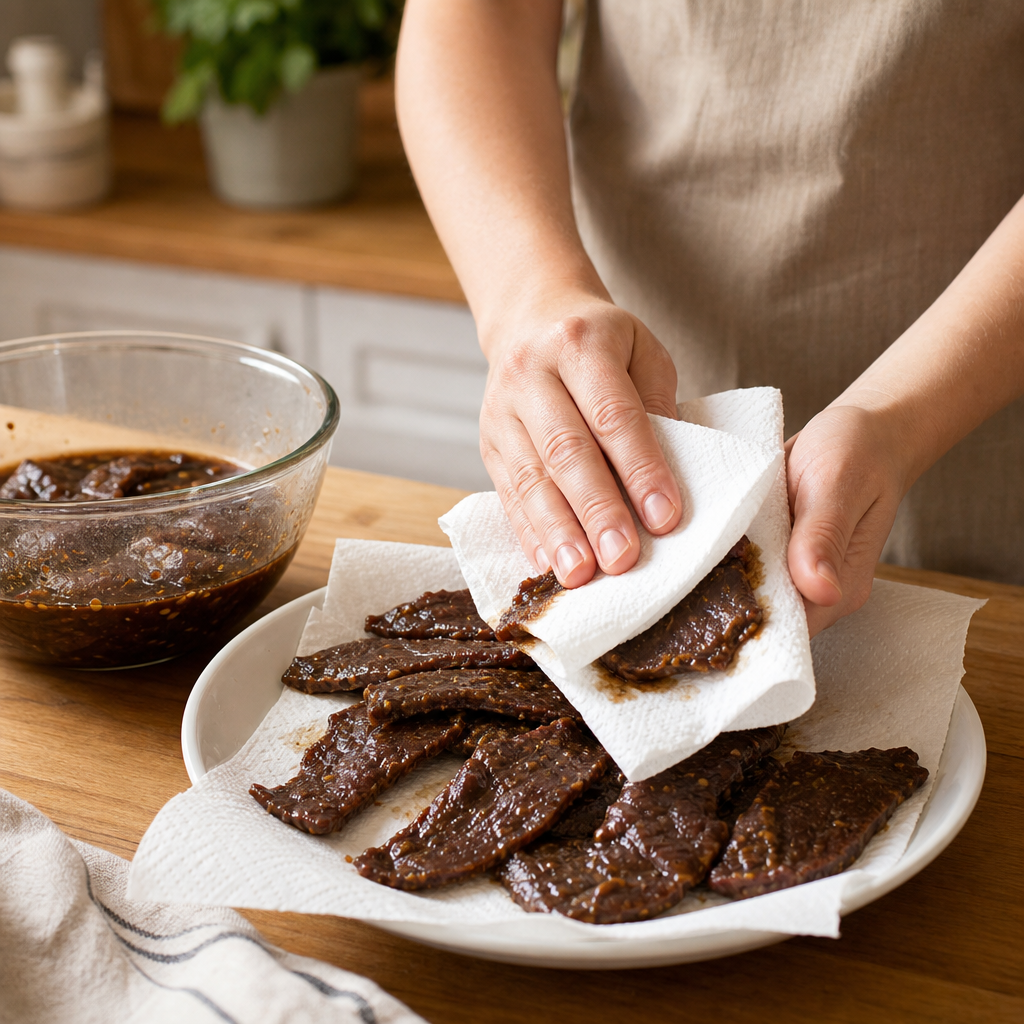
Step 1After marinating, remove beef strips and blot them dry with paper towels.
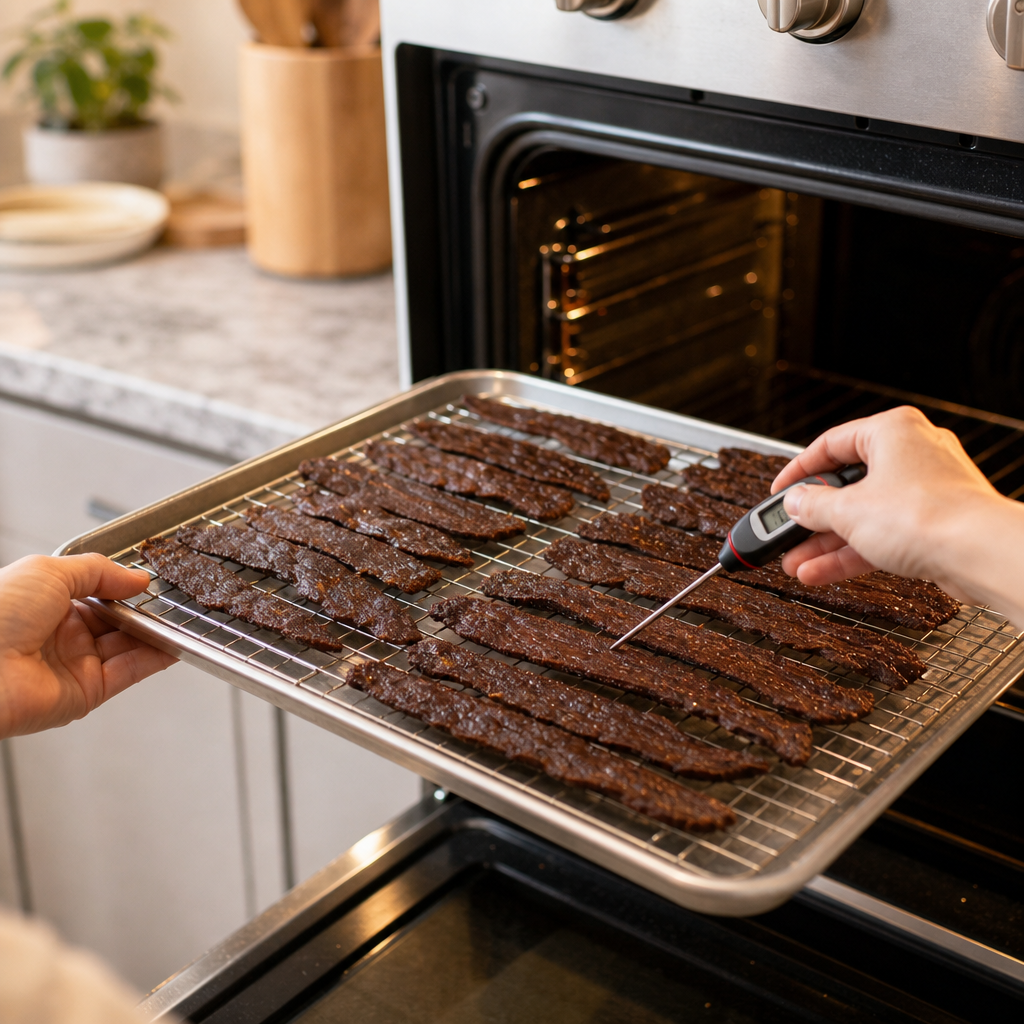
Step 2**Food safety step:** Arrange strips on a wire rack over a baking sheet. Preheat your oven to 275°F. Bake the strips until an instant-read thermometer shows an internal temp of 160°F in the thickest piece. (This usually takes 10–15 minutes.)
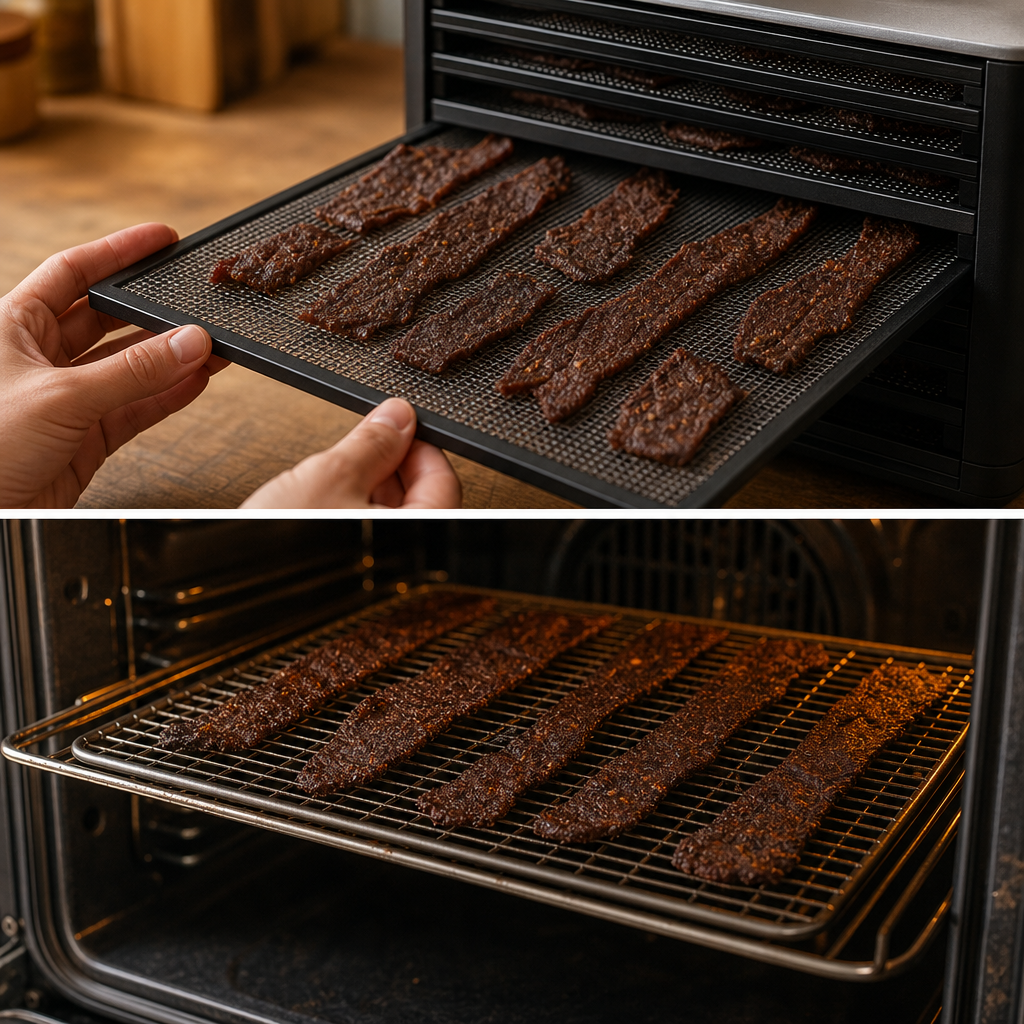
Step 3Now transfer the beef strips to your dehydrator set to 130–140°F, or keep them on the rack in a 160°F oven with the door slightly ajar. Dry until the jerky bends and cracks but doesn’t snap—typically 4–8 hours depending on strip thickness.
Step 4Let the jerky cool completely on racks before storage.
**Food safety note:** Always marinate in the refrigerator, discard used marinade, and ensure beef reaches 160°F before or during drying. ([USDA Jerky Guidance](https://www.fsis.usda.gov/food-safety/safe-food-handling-and-preparation/meat-fish/jerky?utm_source=openai))
Storage: Keeping Your Jerky Flavorful
Once your jerky is fully cooled, store it in an airtight container or zip-top bag. For the best texture and longer storage, keep it in the fridge—homemade jerky, unlike commercial versions, benefits from cooler temperatures. Enjoy within a couple of weeks for peak quality, and savvy snackers can freeze leftovers for even longer. ([Penn State Extension: Jerky](https://extension.psu.edu/downloadable/download/sample/sample_id/113464/?utm_source=openai))
A Hypothetical Example: Sam’s Backcountry Surprise
Sam’s friends have always expected classic black-pepper jerky on their weekend hiking trips. This time, he brings along a batch of chili-lime jerky, made with both juice and freshly grated zest. Around the campfire, one skeptical friend lifts a strip and takes a bite—her eyes light up at the unexpected citrus burst mingling with bold chili. A few strips in, the cheers start up, everyone reaching for more, and Sam’s batch quickly becomes the new group favorite.
Why Lime Zest? (The Surprising Detail)
Most recipes stop at citrus juice for tang; it dissolves evenly, but lacks the rich, complex flavor locked in the rind. Lime zest is full of fragrant oils—tiny, potent, and tough to bottle or fake. By taking just a moment to zest the lime, you unlock these aromatic pockets, which bloom further during drying. The result is flavor that lingers not just on your tongue, but in your kitchen.
Practical Ending: Taste and Share
Try a batch with the zest, and see how it stacks up against your usual jerky. Maybe you’ll want more heat, a heavier hand with the brown sugar, or even a dash of smoked paprika for depth. Homemade jerky is always personal—this time, it’s just got a sunshiny edge.



)](https://img-va.myshopline.com/image/store/1765922088837/3f8965a42d064a8facfd129a6e497a4c.png?w=1024&h=1024)