JERKY RECIPES · FROM THE VIDEO TO YOUR KITCHEN
Cajun Lime Chicken Jerky
Six photo steps. A credited source video. A recipe guide to save.
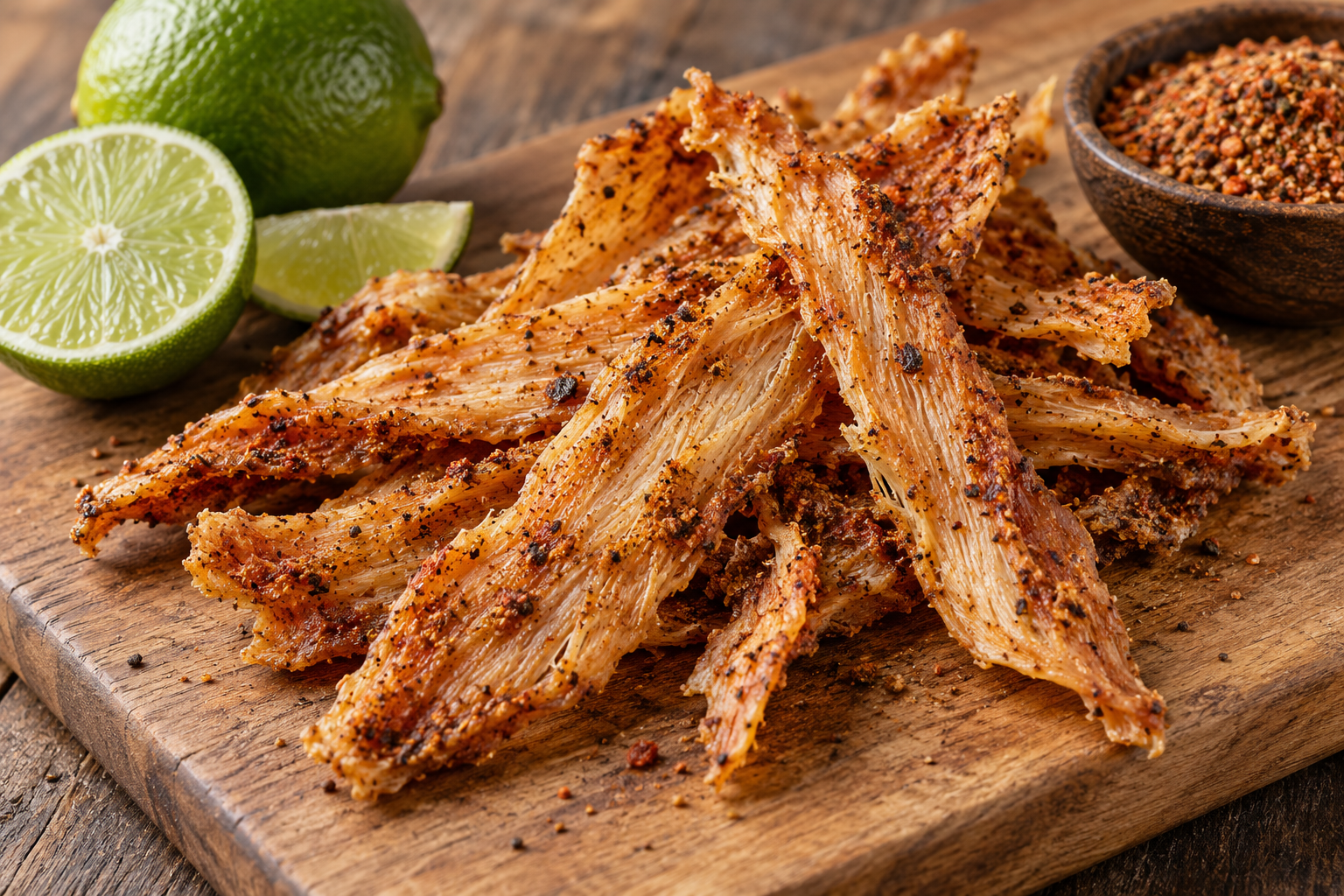
Cajun seasoning, lime and cracked pepper give chicken breast a bold savory coating. Cooking With Ry demonstrates slicing, overnight seasoning and a heating stage before drying. This measured adaptation uses a dehydrator after the chicken is fully heated.
Watch the original video
Video by Cooking With Ry · Watch on YouTube
Ingredients
Starting batch: 2 lb raw chicken breast; finished yield varies.
- 2 lb boneless skinless chicken breast, trimmed
- 1/2 cup soy sauce
- 2 tbsp lime juice
- 1 tbsp Cajun seasoning
- 1 tbsp cracked black pepper
Equipment: sharp knife, cutting board, kitchen scale, covered food-safe container, oven, oven-safe racks, thin-tip food thermometer, clean tongs, and an adjustable-temperature dehydrator.
Allergens: Soy sauce commonly contains soy and wheat. Cajun blends vary; check every label.
How to make this jerky
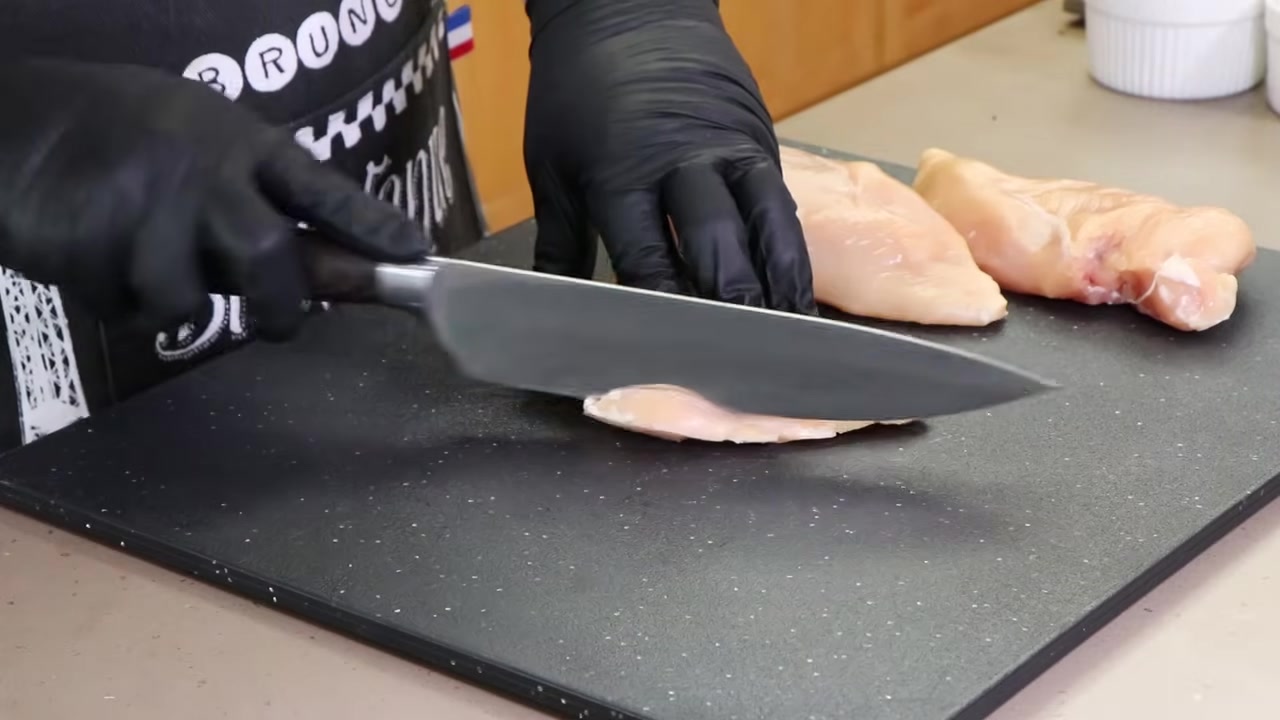
Step 1: Trim and firm the chicken
Start with cold, lean chicken. Trim away exterior fat and silver skin, then briefly firm the breast in the freezer if it is difficult to slice. Keep raw chicken refrigerated at 40°F or below while preparing the other ingredients.
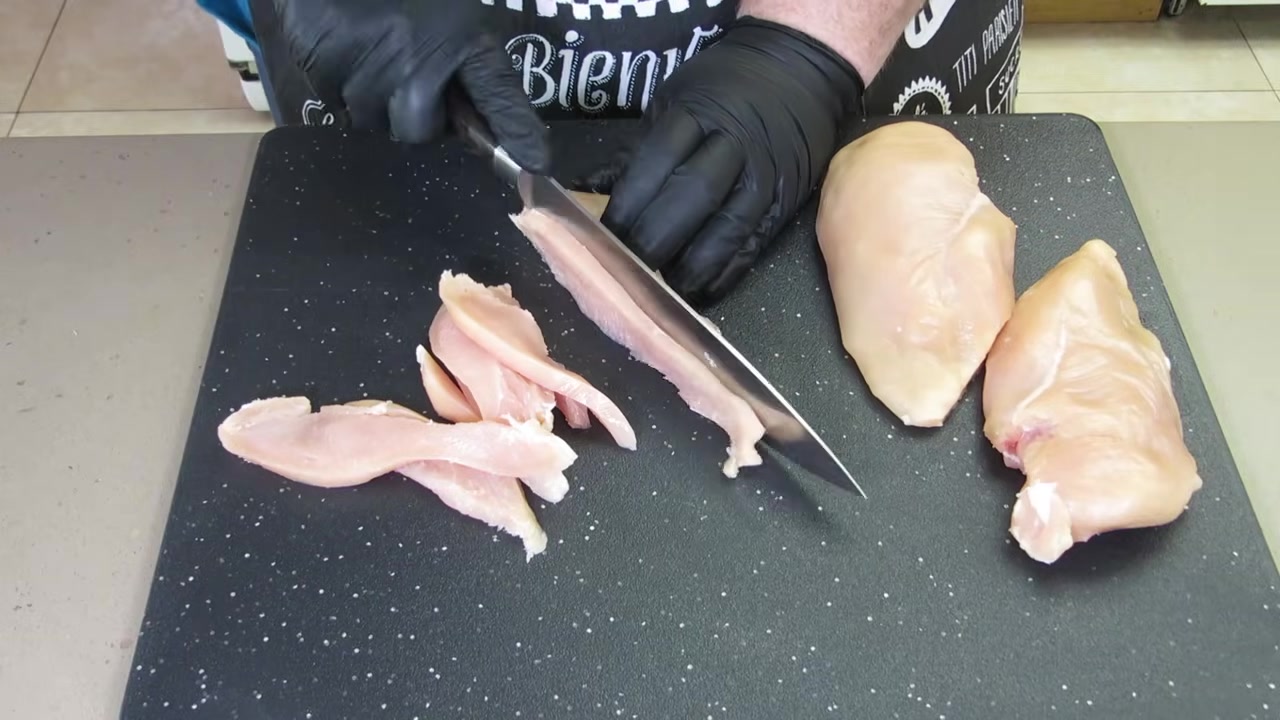
Step 2: Cut even strips
Using a clean sharp knife or a slicer according to its instructions, cut across the grain into even strips about 1/8 inch thick. Keep the thickness consistent and return the sliced chicken to the refrigerator while mixing the marinade.
Step 3: Make the marinade
Mix soy sauce, lime juice, Cajun seasoning and cracked black pepper in a clean bowl. Stir before adding the chicken so the pepper and spices coat all the slices.
Step 4: Coat and refrigerate
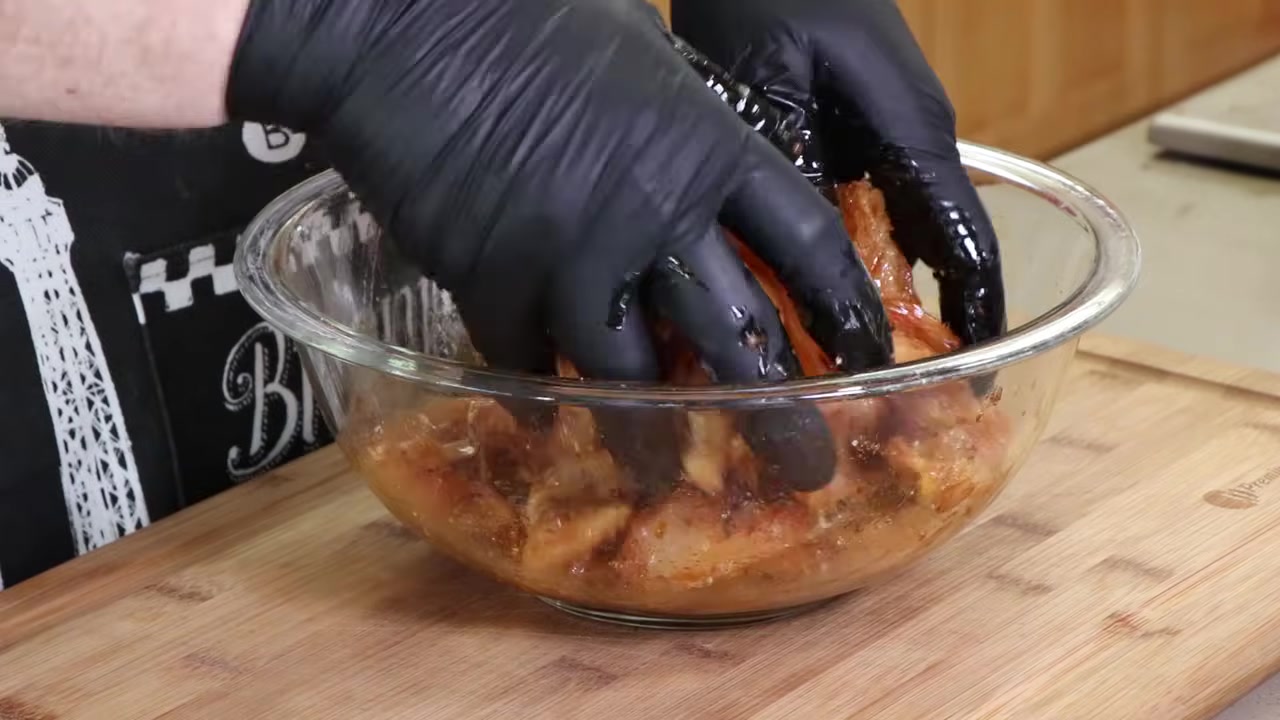
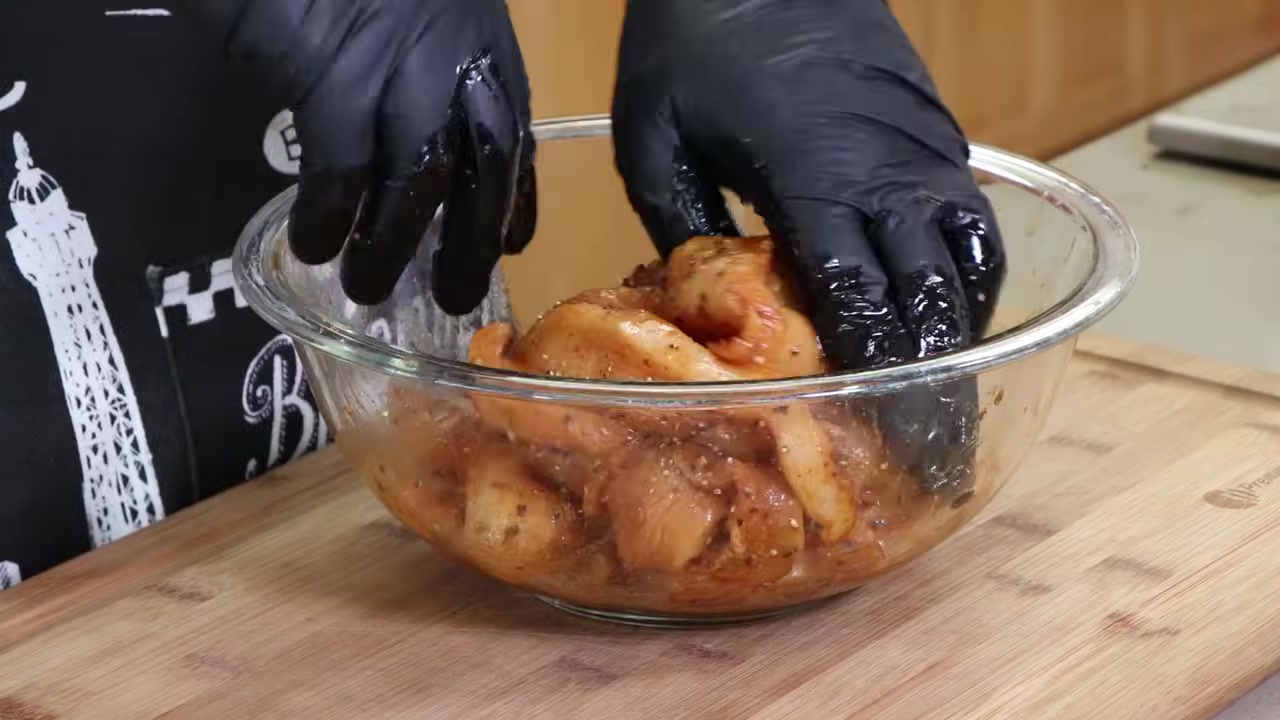
Turn the chicken strips through the marinade until both sides of every piece are coated. Cover in a food-safe container and refrigerate overnight at 40°F or below, turning occasionally. Separate any slices stuck together so the coating reaches every surface.
Step 5: Heat to 165°F, then dry
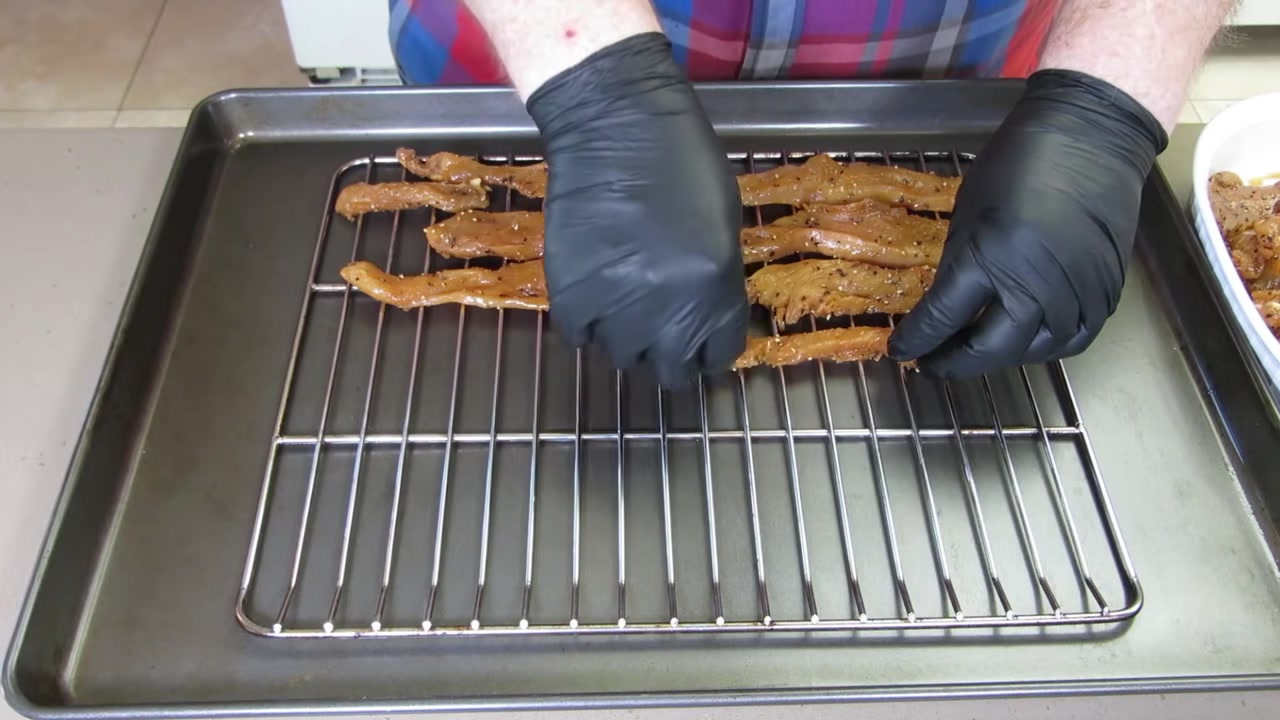
Before drying, place the strips and marinade in a saucepan, adding enough water to cover. Bring to a boil and check with a thin-tip thermometer that the thickest strips reach 165°F internally. Work in batches if necessary. Drain with clean utensils and discard the used liquid. Arrange heated strips in a single layer on clean dehydrator racks, leaving air spaces between them. Dry at 145–155°F and check periodically. The dryer air temperature does not verify the temperature inside the meat.
Step 6: Check, cool and refrigerate
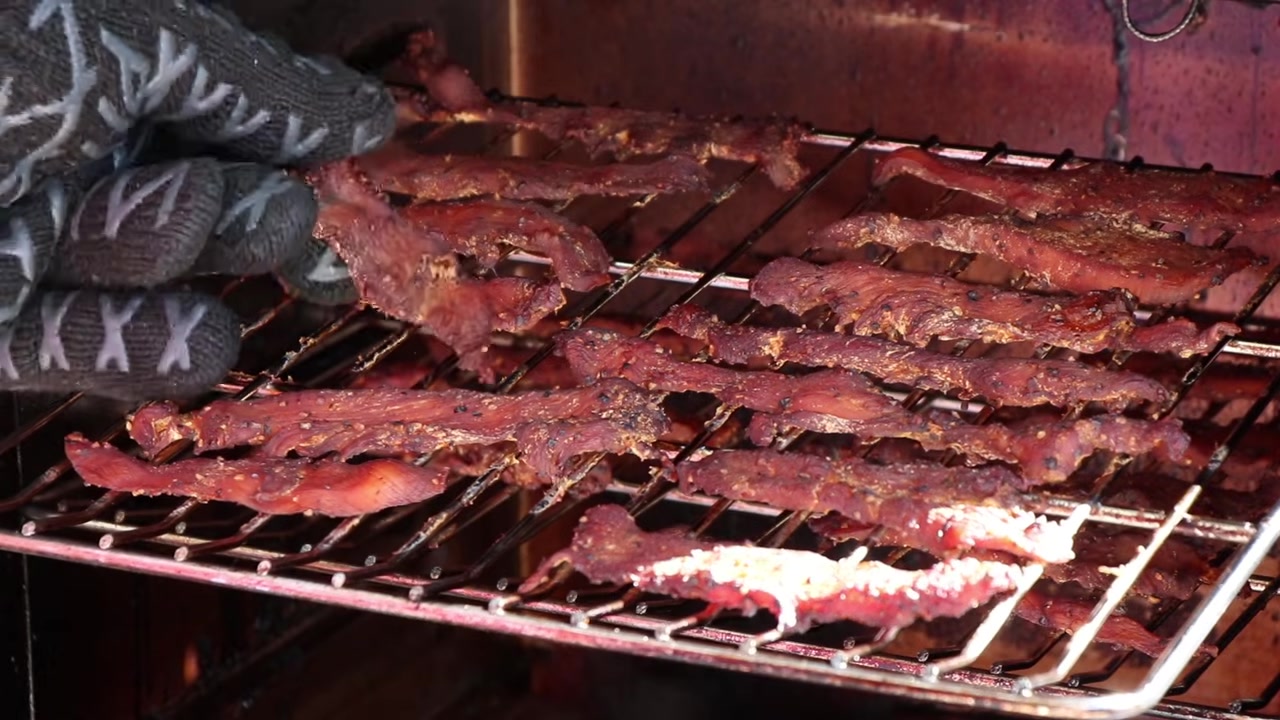
Cool a test strip before bending it. Look for a dry center and small cracks rather than a soft, wet middle; return moist pieces to the dryer. Cool the entire batch completely on clean racks before packing. Refrigerate finished jerky and freeze extra portions. A texture test does not establish a safe room-temperature shelf life.
Why this flavor works
Lime brightens the salty soy base, while the Cajun blend supplies paprika and aromatic spices. Pepper is deliberately prominent. Choose a Cajun seasoning you already enjoy, checking its salt level before adding any other salt.
Serving and storage
Serve a small refrigerated portion with a simple lunch or fresh fruit, keeping the remainder chilled.
Keep the finished jerky refrigerated. Pack only fully cooled strips, keep hands and containers clean, and freeze portions you will not eat promptly. Moisture, thickness, and handling affect keeping quality; this home method does not establish commercial shelf stability.
A ready-to-eat option between batches
For a convenient jerky snack when you are not making a batch, explore BULK Texas Style Original Beef Jerky. Its seasoning and production process differ from this homemade adaptation.
Browse every published BULK jerky recipe.
Sources and further reading
- How To Make Chicken Jerky - Start To Finish — Cooking With Ry
- USDA: how to make meat or poultry jerky at home
- National Center for Home Food Preservation: jerky
Original BULK adaptation based on the credited source recipe and video. Source footage and creator credit belong to Cooking With Ry. Photographs are timestamped source-video stills. Use the full written method for details.
Save the complete recipe guide
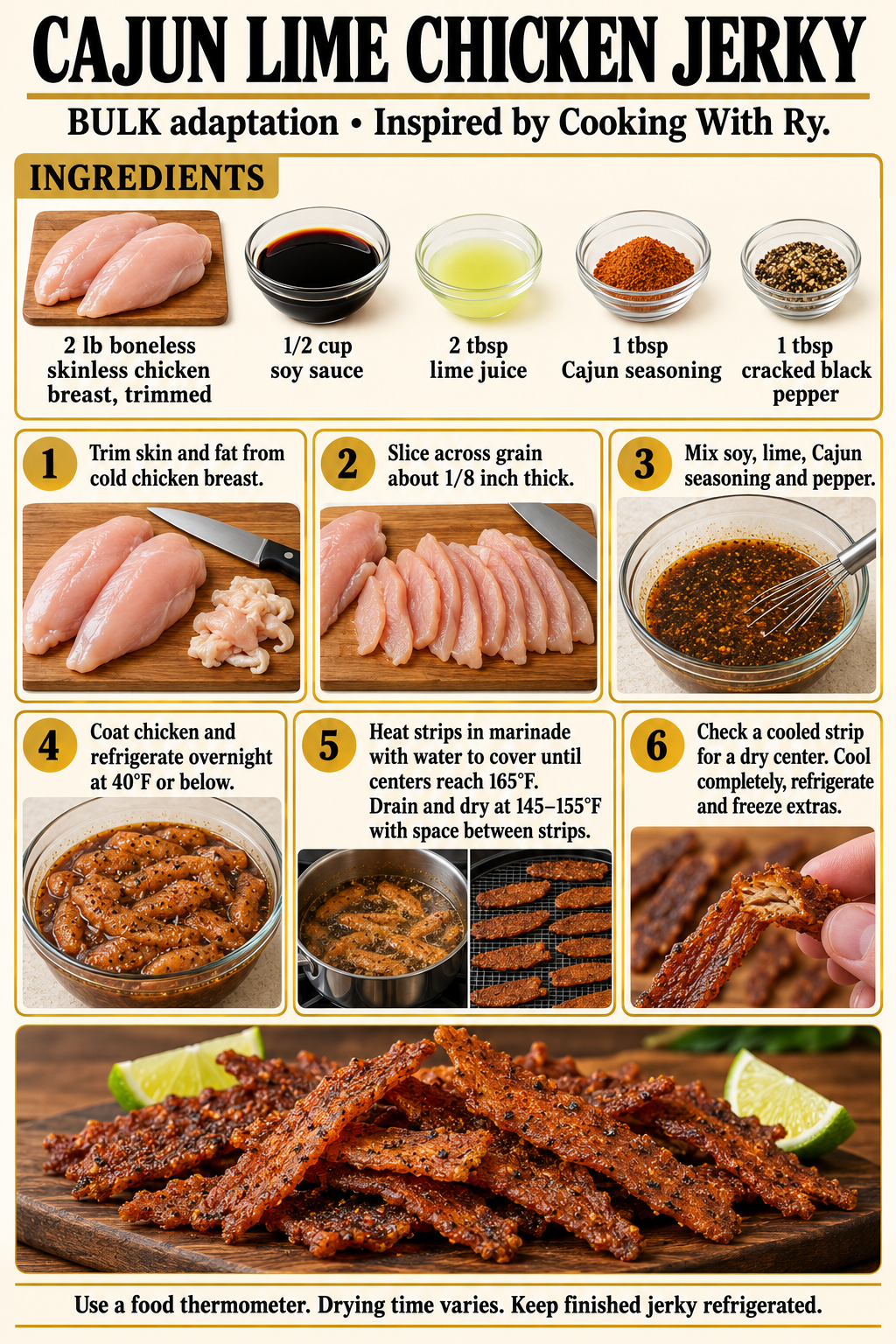
Keep the ingredient list and all six steps together. Save the image for your next batch.
Download the recipe infographic